These 4 Nutrients Can Help Protect Your Brain from Dementia
Wednesday, February 26, 2025
These 4 Nutrients Can Help Protect Your Brain from Dementia
What if the key to protecting your memory wasn’t a pill, puzzle, or prescription - but four simple nutrients hiding in your kitchen?
Well according to a new Columbia University study that tracked over 6,000 adults over age 50 it's true!
The researchers found that people who consumed higher amounts of four specific nutrients had sharper memories, better cognition, and a significantly lower risk of developing dementia.
So if you’ve been forgetting names, misplacing keys, or re-reading the same sentence over and over - this could be the game-changer you’ve been hoping for.
Let’s explore the “Fantastic Four” for your brain.
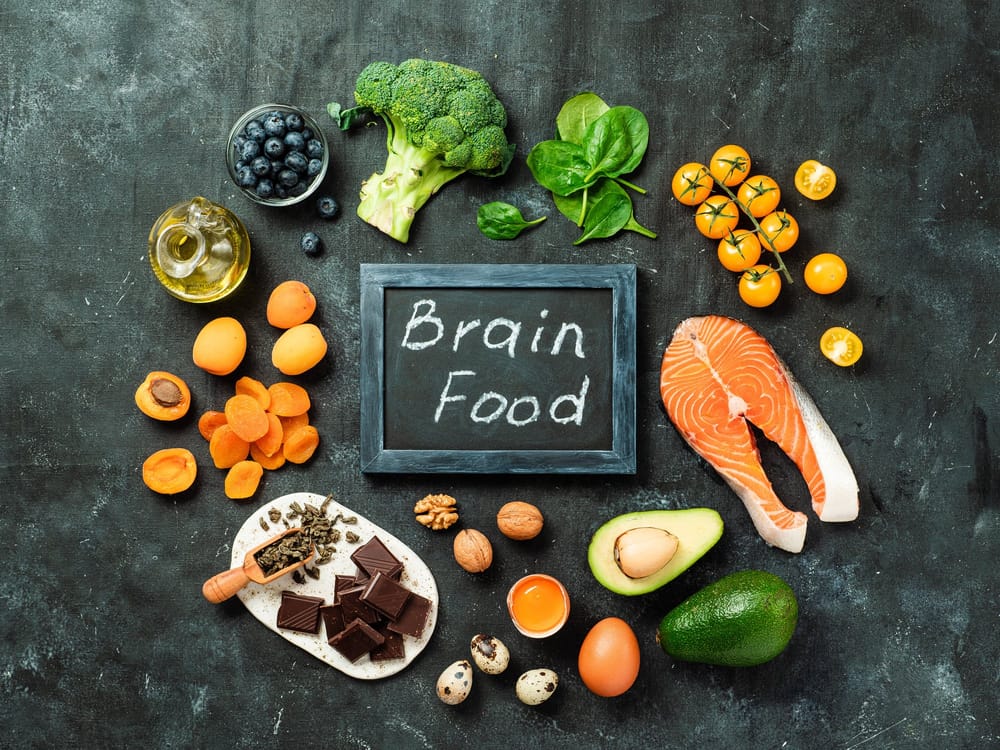
🧠 1. Vitamin E (Sunflower seeds, Almonds, Spinach, Avocados)
Vitamin E acts like a suit of armor for your brain cells. It’s one of the body’s strongest natural antioxidants, protecting neurons from oxidative stress - a fancy term for the damage caused by free radicals.
And here’s the kicker:
In this study, people who got more vitamin E from food, not supplements - scored consistently higher on memory tests.
Why this matters: Your brain consumes more oxygen than any other organ. That makes it especially vulnerable to oxidative damage.
Vitamin E helps mop up that damage before it accumulates and leads to decline.
Memory-saving tip: Swap sugary snacks for a small handful of almonds or add avocado to your morning toast.
🧠 2. Manganese (Nuts, Whole grains, Leafy greens, Brown rice)
You’ve probably never thought about manganese. But this quiet mineral is working behind the scenes to protect your brain every single day.
According to the Columbia study, higher dietary manganese was significantly linked to reduced dementia risk.
Manganese supports a range of brain-protective functions. It’s involved in the production of key enzymes that help detoxify your brain from oxidative stress - while also taming inflammation, one of the root causes of cognitive decline.
It also helps regulate neurotransmitters - the messengers that power memory, mood, and mental clarity.
Why this matters: As we age, inflammation tends to rise while antioxidant defenses decline. Manganese steps in to balance the equation.
And unlike over-the-counter memory pills, manganese-rich foods are completely safe, affordable, and naturally integrated into everyday meals.
Try this: Add brown rice and leafy greens to your dinner plate. Toss in some pecans or pumpkin seeds. These nutrient-dense options may be doing more than feeding your stomach - they could be preserving your memories.
🧠 3. Isorhamnetin (Pears, Onions, Green tea, Olive oil)
Isorhamnetin is part of a group of natural antioxidants called flavonols - compounds found in colorful fruits, veggies, and plant oils. While many have heard of quercetin or catechins, isorhamnetin stood out in the Columbia study as one of the most brain-beneficial.
This specific flavonol has anti-inflammatory and neuroprotective properties. In lab studies, it’s been shown to reduce the death of neurons under oxidative stress and may even help prevent the buildup of amyloid plaques - one of the hallmarks of Alzheimer’s.
What’s fascinating is that many older adults are barely consuming this nutrient, despite it being easy to find in common foods like onions and green tea.
Why it’s a breakthrough: The Columbia researchers believe isorhamnetin helps preserve memory and delay cognitive decline by reducing chronic inflammation and enhancing cellular resilience.
Simple swap: Add olive oil to your salad. Sip a cup of green tea in the afternoon. Roast pears with cinnamon for dessert. These tiny dietary changes could pay massive dividends for your brain in the years ahead.
🧠 4. Fiber (Beans, Berries, Whole grains, Apples)
Most people associate fiber with digestion - but its power extends much further. According to Columbia’s data, people with higher fiber intake also experienced stronger cognitive performance and slower memory decline.
Why? It all comes down to the gut-brain connection.
A healthy gut microbiome (fed by fiber) produces short-chain fatty acids, which reduce inflammation throughout the body - including in the brain. It also improves insulin sensitivity and blood sugar regulation, 2 factors that are strongly tied to brain health and Alzheimer’s risk.
What this means for you: Eating more fiber doesn’t just help your heart and colon, it may help keep your thoughts sharp and your memory reliable.
Fiber-rich habits to try: Start your day with steel-cut oats, chia seeds, and berries. Snack on an apple or roasted chickpeas. Choose whole grain bread instead of white. Every fiber boost supports the delicate web of connections keeping your brain clear and functional.
Final Thoughts
Too many people believe memory loss is inevitable. But this new Columbia study proves otherwise.
By filling your plate with these four essential nutrients - vitamin E, manganese, isorhamnetin, and fiber you’re not just feeding your body.
You’re fortifying your mind. You have more control than you think.
Alex Rowen,
Thrive After 50
5 'Healthy' Foods That Are Silently Stealing Your Precious Memories
You’ve been eating these for years… not knowing they could shrink your brain. But now, neurologists are warning they may actually speed up memory loss.
If you want to stop those scary senior moments and forgetfulness STOP eating these 5 foods TODAY!
Enter your email below to discover the 5 worst 'healthy' foods that are causing brain fog, forgetfulness and embarrassing senior moments
Please Make Sure Your Email Is Correct
This report, valued at $19.95, is 100% FREE. No credit card required. You'll also receive our free fit tips e-newsletter from Thrive After 50. Your information is 100% secure and will never be shared with anyone.