The Truth About That Satisfying Pop in Your Joints - It’s Not What You Think
Sunday, June 22, 2025
The Truth About That Satisfying Pop in Your Joints - It’s Not What You Think
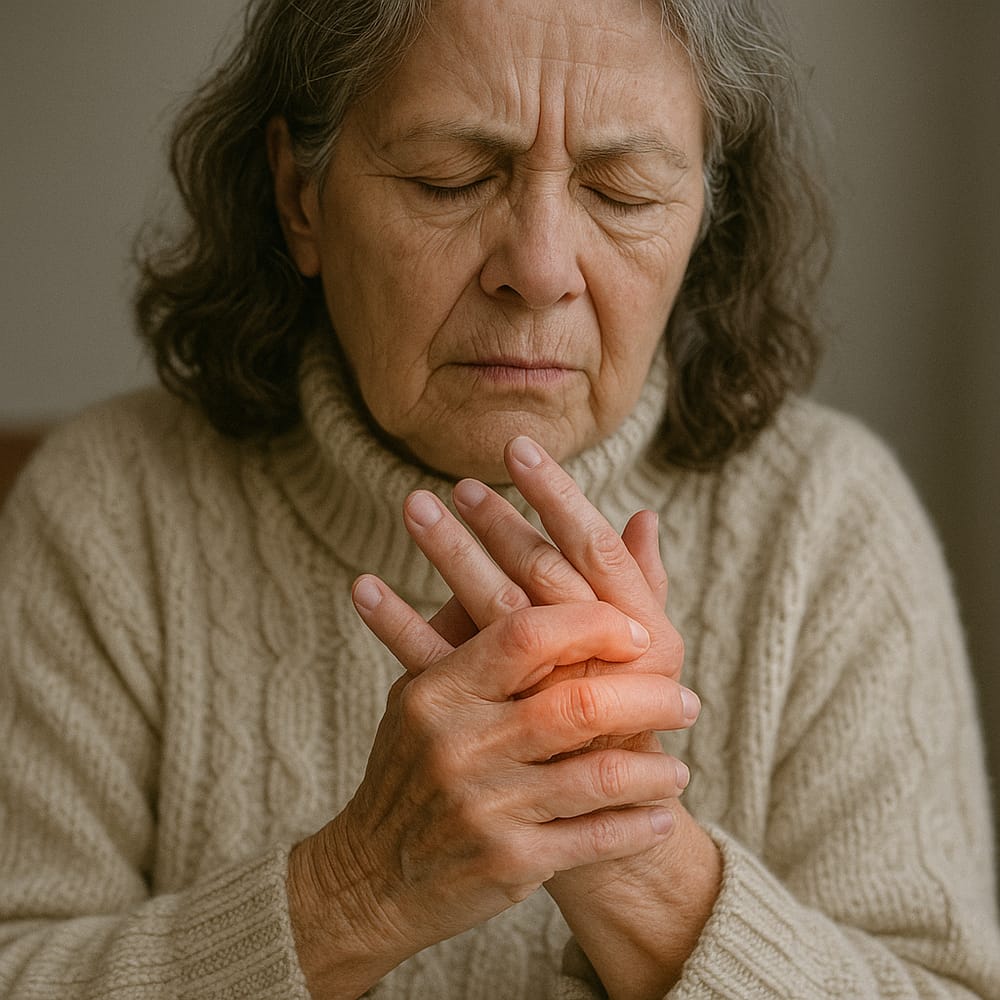
If your grandma told you that knuckle-cracking causes arthritis… she lied.
There’s nothing more satisfying than that pop of relief from cracking a stiff joint. And the best part? Science says it’s completely harmless.
Here’s what’s really happening
When you crack a joint, you’re releasing gas, mainly nitrogen bubbles from the synovial fluid inside.
It’s a pressure release, not bone-on-bone trauma.
The research backs it
A famous study tracked habitual knuckle-crackers for decades and found zero increase in arthritis risk. In fact, some showed greater joint mobility than non-crackers.
Where the myth came from
The noise is alarming, and old-school doctors assumed damage without proof. But newer imaging and data confirm it’s just sound - not destruction.
When it might be a red flag
If you hear grinding, feel pain, or experience swelling - that’s not cracking.
That’s inflammation or injury. Get it checked.
Otherwise? Crack away
Cracking feels good because it relieves pressure. And no, it doesn’t “stretch out” your joints or make your fingers fat.
So next time someone scolds you for it? Just smile and say, “I’m releasing nitrogen bubbles, not wrecking cartilage.”
Alex Rowen,
Thrive After 50
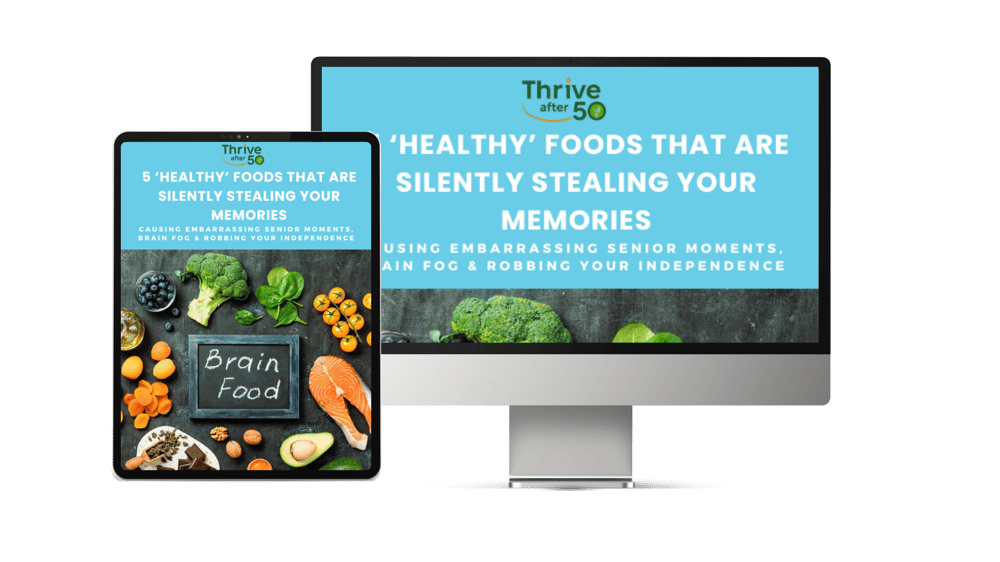
5 'Healthy' Foods That Are Silently Stealing Your Precious Memories
You’ve been eating these for years… not knowing they could shrink your brain. But now, neurologists are warning they may actually speed up memory loss.
If you want to stop those scary senior moments and forgetfulness STOP eating these 5 foods TODAY!
Enter your email below to discover the 5 worst 'healthy' foods that are causing brain fog, forgetfulness and embarrassing senior moments
Please Make Sure Your Email Is Correct
This report, valued at $19.95, is 100% FREE. No credit card required. You'll also receive our free fit tips e-newsletter from Thrive After 50. Your information is 100% secure and will never be shared with anyone.